
Personal Injury Attorneys Colorado Springs
We Are Colorado Springs Personal Injury Attorneys With Over 60 Years Of Combined Legal Experience. Since 1995, We Have Recovered Millions Of Dollars For Our Colorado Clients.
About Us
OUR STORY
McCormick & Murphy, P.C., Was Formed By Kirk R. McCormick And James “Jay” Murphy In 1995. Since 1990, Mr. McCormick And Mr. Murphy Have Practiced In The Areas Of Personal Injury And Insurance Bad Faith.
They Have More Than 50 Years Combined Legal Practice Experience, Specialized Knowledge, And A Wealth Of Accomplishments. They Have Been Admitted To Practice In The Colorado State And Federal Courts, As Well As Other Courts In The United States At Various Times.

About Us
OUR STORY
McCormick & Murphy, P.C., Was Formed By Kirk R. McCormick And James “Jay” Murphy In 1995. Since 1990, Mr. McCormick And Mr. Murphy Have Practiced In The Areas Of Personal Injury And Insurance Bad Faith.
They Have More Than 50 Years Combined Legal Practice Experience, Specialized Knowledge, And A Wealth Of Accomplishments. They Have Been Admitted To Practice In The Colorado State And Federal Courts, As Well As Other Courts In The United States At Various Times.
Over 6 Decades of Experience + Millions in Recoveries
We provide convenient and exceptional legal services to personal injury victims throughout the state of Colorado, we have offices in:
FEATURED ON






Colorado Springs Personal Injury Practice Areas
Auto Accidents
Colorado Springs Auto Accident Lawyer
If you have suffered injuries in a car wreck in Colorado Springs, we invite you to contact our experienced Colorado Springs auto accident attorneys at McCormick & Murphy.
Motorcycle Accidents
Colorado Springs Motorcycle Accident Attorney
When motorcycle accidents are caused by the negligence of another party, victims may be entitled to recover compensation under Colorado law. Contact our experienced Colorado Springs motorcycle accident lawyers today.
Wrongful Death
Colorado Springs Wrongful Death Lawyer
If you have lost a loved one due to the negligent or otherwise wrongful conduct of another person or party, you may be able to recover significant compensation. Our wrongful death lawyers in Colorado Springs can help.
Premises Liability
Colorado Springs Slip and Fall Attorney
Slip and fall accidents are consistently among the most common causes of preventable injury in the United States. It is critical for anyone that has been seriously hurt in a slip and fall accident to speak with an attorney regarding their legal options. Contact our experienced Colorado Springs slip and fall accident lawyers today.
Dog Attacks
Colorado Springs Dog Attack Lawyer
If you have been injured by a dog bite or dog attack, you should contact a lawyer to discuss your rights. An experienced personal injury attorney can help you determine whether filing a lawsuit is the right decision for you. Contact our experienced Colorado Springs dog bite injury lawyers today.
Traumatic Brain Injuries
Colorado Springs Traumatic Brain Injury Lawyer
It’s important that victims of TBI help secure both their immediate and future well-being by contacting an experienced brain injury attorney to be their legal advocate. Contact our experienced Colorado Springs traumatic brain injury lawyers today.
Our Colorado Springs Personal Injury Attorneys
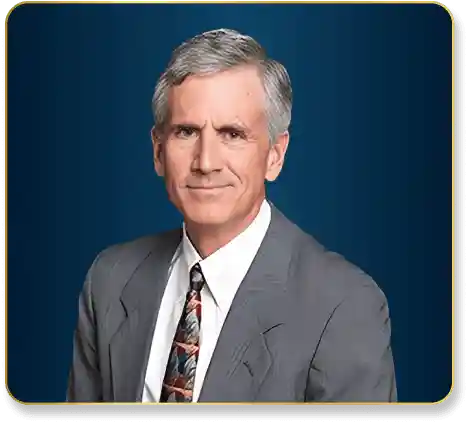
James ‘’Jay’’ Murphy, Esq.
Mr. Murphy has been a licensed attorney since 1989. Originally from northern California, Mr. Murphy worked as a law clerk for the Colorado Court of Appeals in Denver, and moved to Colorado Springs in 1990. He has practiced personal injury law in Colorado Springs since 1990. Between 1990 and 1995, Mr. Murphy worked as a litigation defense attorney representing individuals, insurance companies and large corporations.
Kirk McCormick, Esq.
Mr. McCormick began his legal career as a prosecutor in Des Moines, Iowa, following his graduation from Drake University Law School. After moving to Colorado Springs in 1986, Mr. McCormick handled multi-million dollar commercial lawsuits for Colorado Interstate Gas Company, and later became a partner in the largest law firm in the state that focused its practice on representing insurance companies.

Colorado Springs Personal Injury Lawyers Q&As
What will a Colorado injury attorney cost?
When considering the services of a Colorado injury attorney, costs can vary depending on various factors, such as the complexity of your case, the attorney’s experience, and the fee structure they employ. Typically, personal injury attorneys may work on a contingency fee basis, meaning they only get paid if they win your case. They usually take a percentage of the settlement or judgment awarded to you in such arrangements. It’s important to understand that costs are separate from fees in personal injury cases. While a personal injury attorney collects
a percentage of the recovery at the end of the case, he or she is also reimbursed separately for any costs they advance while handling the case. Discussing fee structures and any potential additional costs during your initial consultation is crucial.
What qualifications should I look for in an experienced personal injury attorney in Colorado Springs?
When seeking an experienced personal injury attorney in Colorado Springs, it’s essential to look for qualifications demonstrating their expertise and capability to handle your case effectively. Look for attorneys specializing in personal injury law with a successful track record of handling cases like yours.
Many attorneys, even those who advertise their services on TV, have little or no experience taking personal injury cases to trial in front of juries and winning those cases at trial. This is important because often a fair settlement cannot be reached with the other side’s insurance carrier, and in order to get a fair amount for your injuries, the case must be taken to trial. Insurance companies know that attorneys have a proven track record at trial, and this analysis goes into their settlement offers. Additionally, consider their reputation, client reviews, and dedication to providing personalized attention to your needs.
Why choose our Colorado Springs personal injury attorney?
Our Colorado Springs personal injury attorney offers several compelling reasons to choose our services. Founders Kirk McCormick and Jay Murphy have 75 years of combined experience. Mr. McCormick was a prior partner in the largest law firm in Colorado, representing insurance companies. Kirk and Jay have tried many cases to juries with proven results.
McCormick & Murphy has extensive experience handling a wide range of personal injury cases, including car accidents, truck accidents, motorcycle accidents, dog bites, slip-and-fall incidents, wrongful death claims, and wrongful denial of insurance benefit claims. We have
the knowledge and skills necessary to advocate for your rights effectively. Our firm prioritizes client satisfaction, providing compassionate support, aggressive representation, and personalized legal strategies tailored to each client’s unique circumstances.
Why do I need a Colorado Springs personal injury attorney?
Based on our extensive experience, we believe it’s crucial to hire a Colorado Springs personal injury attorney. If you’ve been injured due to someone else’s negligence or wrongdoing. A skilled attorney can help you navigate the complexities of the legal system, protect your rights, gather evidence, negotiate with insurance companies, and pursue maximum compensation for your injuries, medical expenses, lost wages, pain and suffering, and other damages.
Every legal jurisdiction is unique in terms of the judges who preside over cases, the jurors who may be called to serve on personal injury cases, and the local rules governing handling cases once they end up in litigation. It’s important to have attorneys who are experienced in the jurisdiction where your case is being handled.
How much will hiring a car accident attorney cost me?
Personal injury lawyers almost always work on what is called a contingent fee. This means that they will only earn a fee if the case is settled or won at trial. The fee will be an agreed-upon percentage of the settlement or trial judgment.
It’s important to understand that costs are separate from fees in personal injury cases. While a personal injury attorney collects a percentage of the recovery at the end of the case, he or she is also reimbursed separately for any costs they advance while handling the case.
Is it worth hiring a personal injury attorney in Colorado Springs?
Yes, hiring a personal injury attorney in Colorado Springs is typically worth it. They can help level the playing field against insurance companies and defendants who may try to minimize or deny your claim. An experienced attorney can navigate the legal process, handle negotiations, gather evidence, and advocate for your rights to ensure you receive fair compensation for your injuries and losses. Insurance company studies have shown over the years that a personal injury settlement can be as much as three times more when an experienced personal injury lawyer is handling your case.
How long do I have to file a personal injury lawsuit in Colorado?
Colorado has many statutes of limitations and deadlines, depending on your case type. For most car accidents, the statute of limitations is three years from the car accident date to file a lawsuit. If a lawsuit is not filed within these three years, you will be barred from ever claiming injuries resulting from the car accident. However, even car accidents can have shorter deadlines, with one example being if you’re in a car accident with a vehicle owned and operated by a public entity, like a city or county.
It is critical that you consult It’s essential to consult with an experienced personal injury attorney as soon as possible to ensure you meet all deadlines for filing your claim.
How important is a lawyer's education, such as a law school background, in personal injury cases?
A lawyer’s education and background, including their law school education and experience in personal injury cases, are essential when choosing representation. Look for attorneys with a strong educational background, relevant experience, and a track record of success in personal injury law.
What types of personal injury cases does our Colorado Springs law firm handle?
Our Colorado Springs law firm handles a wide range of personal injury cases, including car accidents, truck accidents, motorcycle accidents, pedestrian accidents, dog bites, slip-and-fall incidents, wrongful death claims, wrongful denial of insurance claims (insurance bad faith), and more. We have the knowledge, resources, and experience to effectively represent clients in various injury claims. We have a proven record of taking cases to trial and winning them.
How do I sue for a semi-truck accident in Colorado?
Suing for a semi-truck accident in Colorado requires a thorough understanding of state and federal regulations governing commercial trucking. An experienced personal injury attorney can help you navigate the complexities of these cases, gather evidence, identify liable parties, and pursue maximum compensation for your injuries and losses.
If a fair settlement cannot be reached, then a lawsuit would usually be filed in the District Court where the collision took place.
What damages can I recover in a personal injury case in Colorado Springs?
In a personal injury case in Colorado Springs, you may be eligible to recover various damages, including medical expenses, past and future lost wages, pain and suffering, property damage, and other economic and non-economic losses. An experienced attorney can help assess the full extent of your damages and pursue maximum compensation on your behalf. An experienced injury attorney will gather relevant medical and wage records and may interview friends and family members to learn the extent to which the injuries have affected your life.
What is the role of a personal injury lawyer in an injury lawsuit?
A personal injury lawyer plays a crucial role in an injury lawsuit by providing legal representation, advocating for your rights, negotiating with insurance companies and defendants, gathering evidence, preparing your case for trial if necessary, and pursuing maximum compensation for your injuries and losses.
Can pain and suffering be included in a personal injury claim?
Pain and suffering are often included in a personal injury claim as part of the non-economic damages sought. These damages aim to compensate you for the physical pain, emotional distress, and psychological trauma you’ve endured because of the injury.
Personal Injury Services
- Colorado Springs Personal Injury Attorney 60+ years combined experience serving El Paso County. McCormick & Murphy handles car accidents, truck crashes, slip & fall cases. Free consultation. Call (719) 800-9407.
- Personal Injury Lawyer Colorado Springs Trusted attorneys since 1995. Handle cases at UCHealth Memorial, Penrose Hospital. Recovered millions for clients. Contingency fees – no win, no pay.
- Personal Injury Law Firm Colorado Springs McCormick & Murphy P.C. – Colorado Springs premier injury law firm. Offices on W Colorado Ave. Serving clients since 1995 with proven trial experience.
- Injury Lawyer Colorado Springs Comprehensive injury representation. Handle medical malpractice, workplace accidents, sports injuries. Expert witness relationships for complex cases.
- Colorado Personal Injury Attorney Statewide representation for serious injuries. Licensed in Colorado State and Federal Courts. Handle cases from Fort Carson, Peterson Air Force Base.
- Colorado Springs Injury Law Firm Established 1995. Kirk McCormick and Jay Murphy combined 75+ years experience. Former insurance defense attorneys now fighting for injury victims.
- Injury Claim Attorney Colorado Navigate complex Colorado injury laws. Handle statute of limitations, comparative fault issues. Protect rights against sophisticated insurance company tactics.
- Million dollar settlements Colorado Springs – Track record of seven-figure recoveries for catastrophic injuries. Medical malpractice, wrongful death, and severe trauma cases.
- Pain and suffering damages Colorado Springs – Maximize non-economic damages for injury victims. Expert testimony coordination for life impact and emotional distress.
- Future medical costs attorney Colorado Springs – Secure funding for lifetime medical needs. Work with life care planners and medical economists for accurate projections.
- Punitive damages Colorado Springs – Pursue punitive damages for egregious conduct. Experience with drunk driving, reckless endangerment, and corporate negligence cases.
- Lost wages compensation attorney Colorado Springs – Expert calculation of lost earning capacity. Handle complex employment situations including military, federal, and contractor positions.
- Auto Accident Attorney Colorado Springs I-25, Powers Boulevard, Academy Boulevard crash attorney. Fight State Farm, USAA, Progressive, Allstate. Maximum compensation for medical bills, lost wages.
- Car Crash Lawyer El Paso County Experienced legal representation for motor vehicle accidents throughout El Paso County. Handle insurance claims, gather evidence, negotiate settlements.
- Truck Accident Attorney Colorado Federal trucking regulation expertise. Handle semi-truck, 18-wheeler crashes. Work with accident reconstruction experts. Pursue maximum compensation for severe injuries.
- Motor Vehicle Accident Lawyer All types of vehicle accidents: cars, trucks, motorcycles, pedestrians. Understand Colorado traffic laws, comparative negligence rules. Trial-ready attorneys.
- Accident Attorney Near Me Local Colorado Springs accident lawyers. Available 24/7 at (719) 800-9407. Free consultations. We come to you if mobility is limited due to injuries.
- Colorado Springs Accident Lawyer Proven track record handling accidents on local roads. Know Colorado Springs judges, court procedures. Fight for fair compensation from insurance companies.
- Accident Injury Lawyer Colorado Springs Specialized in serious injury cases requiring extensive medical treatment. Work with Centura Health, UCHealth providers for comprehensive care documentation.
- I-25 highway accidents Colorado Springs – Expert representation for crashes on Interstate 25 through Colorado Springs. Handle multi-vehicle collisions, weather-related accidents, construction zone crashes.
- Powers Boulevard accident attorney Colorado Springs – Specialized knowledge of Powers Boulevard traffic patterns and accident causes. Experience with city liability and road design defects.
- Academy Boulevard crash lawyer Colorado Springs – Handle accidents on Academy Boulevard from Fountain to Monument. Expert in commercial vehicle accidents and pedestrian strikes.
- Circle Drive intersection accidents Colorado Springs – Representation for crashes at dangerous Colorado Springs intersections. Challenge inadequate traffic signals and signage.
- Woodmen Road accident attorney Colorado Springs – Handle accidents on this busy east-west corridor. Experience with shopping center and school zone accidents.
- Garden of the Gods Road crashes Colorado Springs – Specialized representation for tourist area accidents. Handle rental car crashes and out-of-state driver incidents.
- Tesla accident attorney Colorado Springs – Specialized knowledge of Tesla Autopilot accidents and battery fire injuries. Expert in electric vehicle technology and defects.
- Semi-truck 18-wheeler accidents Colorado Springs – Federal trucking regulation expertise. Handle CDL driver violations, logbook fraud, and carrier negligence.
- Motorcycle Harley-Davidson accidents Colorado Springs – Specialized representation for motorcycle enthusiasts. Understanding of bike modifications and protective gear effectiveness.
- RV motorhome accident attorney Colorado Springs – Handle large recreational vehicle accidents. Expert in RV-specific insurance coverage and vacation rental liability.
- Uber Lyft rideshare accidents Colorado Springs – Navigate complex rideshare insurance coverage. Handle driver screening negligence and app-related distraction accidents.
- Personal Injury Consultation Colorado Springs Free case evaluation with experienced attorneys. Review medical records, accident reports. Explain legal rights and compensation options. No obligation.
- Personal Injury Claim Attorney Expert guidance through insurance claim process. Handle paperwork, medical records, wage documentation. Negotiate with adjusters for maximum settlement.
- Personal Injury Legal Services Full-service legal representation: investigation, expert witnesses, medical record review, settlement negotiation, trial advocacy. Comprehensive injury law services.
- Colorado Springs Legal Representation Personalized attention for each client. Regular case updates, direct attorney communication. Compassionate advocates during difficult recovery period.
- Personal Injury Settlement Lawyer Skilled negotiators with insurance companies. Know when to settle vs. go to trial. Track record of multi-million dollar settlements and verdicts.
- Personal Injury Trial Lawyer Experienced courtroom advocates. Many cases tried to juries with proven results. Insurance companies know our trial reputation affects settlement negotiations.
- Colorado Springs Litigation Attorney When settlement negotiations fail, we’re trial-ready. Federal and state court experience. Handle complex liability cases, multiple defendant situations.
- Fort Carson personal injury attorney Colorado Springs – Specialized legal services for Fort Carson soldiers and families. Understanding of military procedures, deployment issues, and federal jurisdiction.
- Peterson Space Force Base accidents Colorado Springs – Expert representation for Peterson AFB personnel. Handle on-base and off-base accidents with federal contractor involvement.
- NORAD Cheyenne Mountain accidents Colorado Springs – Representation for accidents involving Cheyenne Mountain personnel. Security clearance sensitive case handling.
- Air Force Academy area accidents Colorado Springs – Handle accidents near USAFA involving cadets, staff, and visitors. Understanding of federal property and jurisdiction issues.
- Schriever Space Force Base incidents Colorado Springs – Legal representation for Schriever personnel and contractors. Handle accidents involving classified work locations.
- UCHealth Memorial Hospital injury cases Colorado Springs – Coordinate care with Memorial Hospital medical teams. Handle ambulance liens, medical records, and expert medical testimony.
- Penrose Hospital accident treatment Colorado Springs – Work directly with Penrose medical providers for comprehensive injury documentation. Handle St. Francis and Penrose billing issues.
- Peak Vista Community Health Colorado Springs – Coordinate with Peak Vista for ongoing treatment of injury victims. Handle low-income patient medical lien negotiations.
- Colorado Springs Orthopedic Group coordination – Collaborate with orthopedic specialists for fracture and joint injury cases. Expert medical testimony coordination.
- Centura Health network coordination Colorado Springs – Streamline treatment across Centura facilities. Handle Porter Adventist and Presbyterian-St. Joseph coordination.
- Accident Compensation Attorney Maximize compensation for medical expenses, lost wages, pain & suffering. Understanding of Colorado damages law. Fight for future medical needs, disability.
- Accident Case Attorney Thorough case investigation and preparation. Work with accident reconstruction experts, medical professionals. Build compelling evidence for maximum recovery.
- Personal Injury Damages Lawyer Expert calculation of economic and non-economic damages. Future medical costs, lost earning capacity, pain & suffering valuation. Maximize recovery.
- Colorado Springs Civil Attorney Civil litigation specialists focusing on personal injury law. Handle negligence cases, premises liability, product defects. Protect victim rights.
- State Farm accident claims Colorado Springs – Expert negotiation with State Farm adjusters for maximum settlements. Handle denied claims, lowball offers, and bad faith practices.
- USAA military insurance claims Colorado Springs – Specialized representation for USAA members at Fort Carson and Peterson AFB. Understanding of military-specific coverage and procedures.
- Progressive Insurance settlements Colorado Springs – Aggressive advocacy against Progressive’s delay tactics. Force fair compensation for medical bills, lost wages, and vehicle damage.
- Allstate claim disputes Colorado Springs – Combat Allstate’s settlement software and biased adjusters. Proven track record of overturning denied claims and securing proper compensation.
- GEICO accident attorneys Colorado Springs – Challenge GEICO’s quick settlement offers that undervalue injuries. Ensure full compensation for current and future medical needs.
- Farmers Insurance bad faith Colorado Springs – Hold Farmers accountable for unreasonable claim denials. Experienced in insurance bad faith litigation and punitive damages.
- Liberty Mutual negotiations Colorado Springs – Expert handling of Liberty Mutual’s complex claim procedures. Maximize settlements for serious injury cases.
- Pit bull attack attorney Colorado Springs – Specialized representation for serious dog bite injuries. Expert in breed-specific legislation and insurance coverage.
- German Shepherd bite lawyer Colorado Springs – Handle police K-9 and personal German Shepherd attacks. Understanding of training liability and handler negligence.
- Rottweiler attack compensation Colorado Springs – Aggressive advocacy for severe bite injuries. Expert in dog owner liability and homeowner’s insurance claims.
- Mixed breed dog attacks Colorado Springs – Comprehensive representation regardless of breed identification issues. Focus on injury severity and owner negligence.
- Bicycle Accident Litigation
- Catastrophic Injury Litigation
- DUI Injury Litigation
- Dog Bite Injury Litigation
- Motorcycle Accident Litigation
- Motorist Insurance Claims Litigation
- Pain & Suffering Litigation
- Pedestrian Accident Litigation
- Truck Accident Litigation
- Wrongful Death Litigation
- Accidents Insurance
- Arm Injuries
- Auto Accident Attorney
- Bad Faith Insurance
- Bad Faith Insurance Claims
- Bicycle Accident Lawyers
- Brain Injury Attorney
- Car Accident Injuries
- Car Crash Lawyer
- El Paso County Colorado Springs Auto Accident Claims
- Colorado Springs Personal Injury Attorney
- Distracted Driving Accident Attorney
- Dog Bite Law
- Drunk Driver Accident Attorney
- Failure To Yield Accident Attorney
- Fall Accident Lawyers
- Head On Accident Attorney
- Hit And Run Accident Attorney
- Injuries Traumatic Brain Injuries
- Injury Lawyer
- Intersection Accident Lawyer
- Motorcycle Accidents
- Multi-Vehicle Accident Lawyer
- Personal Injury Cases
- Personal Injury Claims
- Personal Injury Law
- Personal Injury Law Firm Colorado Springs
- Personal Injury Lawsuit
- Personal Injury Trial Lawyer
- Premises Injury Lawyer
- Premises Liability / Slip And Fall Claims
- Premises Liability Attorneys
- Premises Liability Lawsuits
- Punitive Damages
- Reckless Driving Accident Lawyer
- Reckless Driving Accidents
- Scooter Accident Attorney
- Slip And Fall Attorney
- Spinal Cord Injury
- Spinal Cord Injury Lawyers
- TBI Attorney
- Traumatic Brain Injuries Law
- Truck Accident Attorney Colorado
- Truck Accidents
- Wrongful Death Law
Immediate Neighborhood (0.1-2 miles):
- Old Colorado City
- Westside
- Gold Hill Mesa
- Hillside
- Downtown Colorado Springs
Close Proximity (2-5 miles):
- Manitou Springs (approximately 3 miles west)
- Ivywild
- Broadmoor
- Skyway (Upper and Lower Skyway)
- Mesa
- Mesa Springs
- Midland
- Stratton Meadows
- Cheyenne Canyon
- Monument Valley
Within 5-10 miles:
- Rockrimmon
- Old North End
- Garden of the Gods area
- Bear Creek
- Uintah Gardens
- Thorndale Park
Within 10-15 miles:
- Cimarron Hills
- Fort Carson (military base)
- Security-Widefield
- Fountain
- Crystal Park
- Green Mountain Falls
Testimonials
What Do Our Clients Say?
D. G., Colorado Springs
In December 2009, I was injured on a dangerous, icy parking area at my mother’s condominium complex in Colorado Springs. The management of the complex had decided to not renew the snow /ice removal contract due to resident complaints. The law firm of McCormick & Murphy helped me get the complex’s insurance company to recognize my claim, and to settle my claims and pay all my medical bills and liens. I am very happy with McCormick & Murphy law firm. I give their name to anyone who mentions they need a good lawyer.”
Katrina, Colorado Springs
I was in an automobile accident in 2006. As a result of the accident I received injuries to my neck and back, but I didn’t have medical insurance and didn’t have a way to get any treatment. The insurance company denied my claim, and refused to pay for my medical bills. I was referred to the Law Firm of McCormick & Murphy. Mr. McCormick accepted my case and filed a lawsuit on my behalf. He helped me get the medical care that I desperately needed. Eventually the insurance company settled the case, and I was able to pay all of my doctors and still had a sizeable amount left over. I highly recommend the Law Firm of McCormick & Murphy.
Sally, Denver
After I was hit broadside by a drunk driver who had no insurance, my own insururance company would not pay for the injuries that the other driver had caused. Not only that, they refused to pay my medical bills, and would not send me the forms that I needed to fill out. Eventually I was sued by my doctors to collect their medical bills.I hired McCormick & Murphy, and they sued my insurance to recover the uninsured motorist benefits that I was entitled to. They also sued my insurance company for not paying for my medical bills and for treating me in bad faith. A jury awarded me over $900,000.00 for the damages my insurance company had done to me.I highly recommend the law firm of McCormick & Murphy.

Injured In An Accident? Contact Us Today!
Fill out the form and we will contact you ASAP!


Review Us On Google
Disclaimer: The information on this website is for information purposes only. This website should not be taken as legal advice. Prior results do not guarantee a similar outcome. This information should not be taken as the formation of a lawyer or attorney client relationship.
© 2026 McCormick & Murphy, P.C. | All Rights Reserved | Privacy Policy | Terms & Conditions